

Modular Architecture, Unified Data
Snapsec is built on a unified microservices architecture with a shared knowledge graph. Each module operates independently or synergistically as part of an end-to-end security pipeline.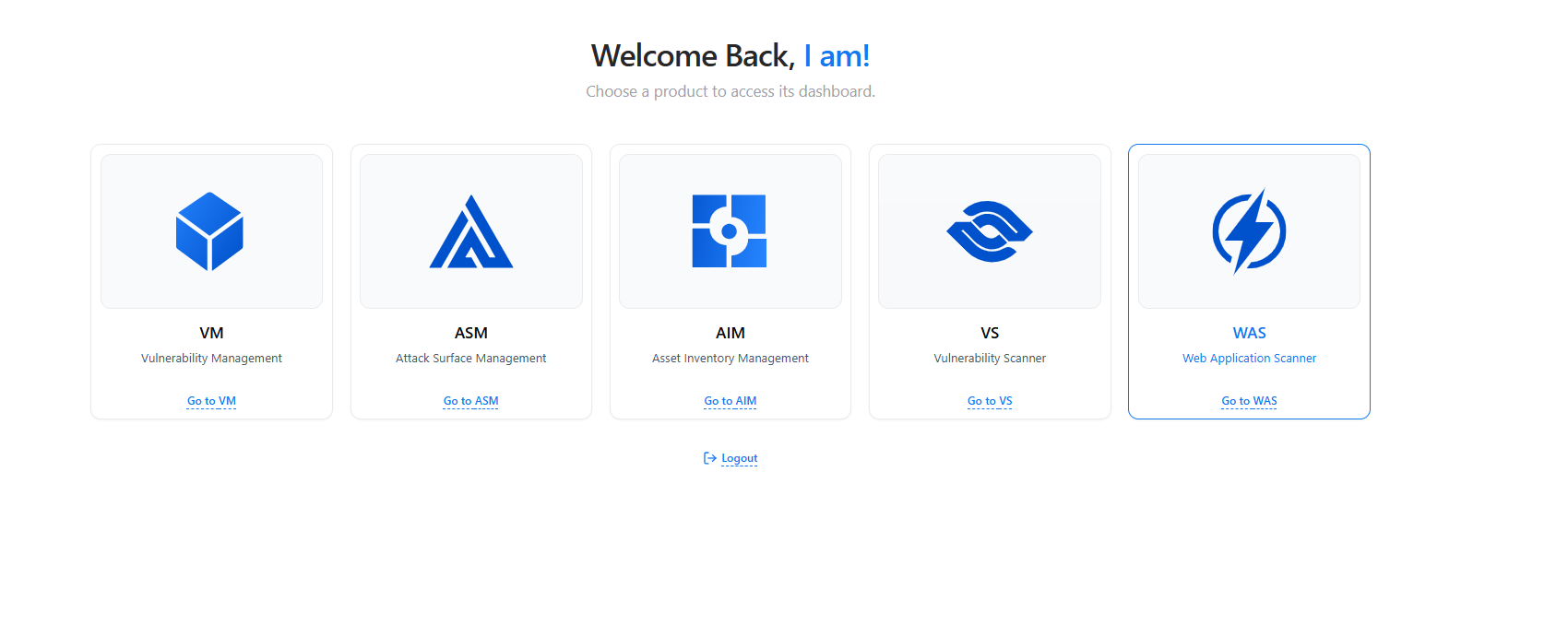
Snapsec Platform Modules and Data Interconnectivity
Platform Modules
1. Attack Surface Management (ASM)
- External Discovery: Maps internet-facing assets including subdomains, DNS records, TLS certificates, and open ports.
- Exposure Detection: Flags unintended exposures such as staging environments, exposed admin panels, and misconfigured S3 buckets.
- Continuous Reconnaissance: Monitors for DNS drift, certificate expiry, and new technology stack signatures.
2. Asset Inventory Management (AIM)
- Unified Inventory: Aggregates cloud accounts (AWS, GCP, OCI), Git repositories (GitHub, GitLab), API gateways, and employee directories.
- Dynamic Classification: Automatically categorizes assets by environment (Production, Staging, Development) and regulatory scope (PCI, HIPAA).
- Blast Radius Analysis: Models relationships between assets to evaluate potential lateral movement paths.
3. Vulnerability Scanning (VS) & Web Application Scanner (WAS)
- Multi-Vector Scanning: Comprehensive coverage across network perimeter, web applications, and authenticated APIs.
- Dynamic Variable Injection: Handles complex auth flows (OAuth2, Bearer tokens, custom headers) and multi-step API journeys.
- Configurable Scan Policies: Custom YAML rule engines, rate limiting, and suppression rules to eliminate false positives.
4. AI Pentesting
- Autonomous Goal-Seeking: Simulates sophisticated attacker behaviors using LLM-assisted reasoning and curated offensive security toolchains.
- Proof-of-Exploitation: Generates irrefutable proof-of-concept (PoC) evidence (HTTP request/response pairs, command output, screenshots).
- Safety Guardrails: Strict boundary enforcement, scope exclusion lists, and human-in-the-loop approvals.
5. Vulnerability Management (VM)
- Finding Normalization: Ingests, deduplicates, and correlates findings from internal scanners, AI pentesting, and 30+ external tools.
- TrueRisk™ Scoring: Prioritizes vulnerabilities based on exploitability, asset importance, and real-world threat activity.
- SLA & Remediation Workflows: Tracks time-to-remediate (MTTR), manages remediation blockers, and syncs bidirectional updates with Jira and ticketing systems.
The Shared Data Flow
Next Steps
Choose Your Deployment
Review deployment options for SaaS, On-Premises, and Air-Gapped environments.
Quickstart: First 30 Minutes
Get up and running with a hands-on guide.